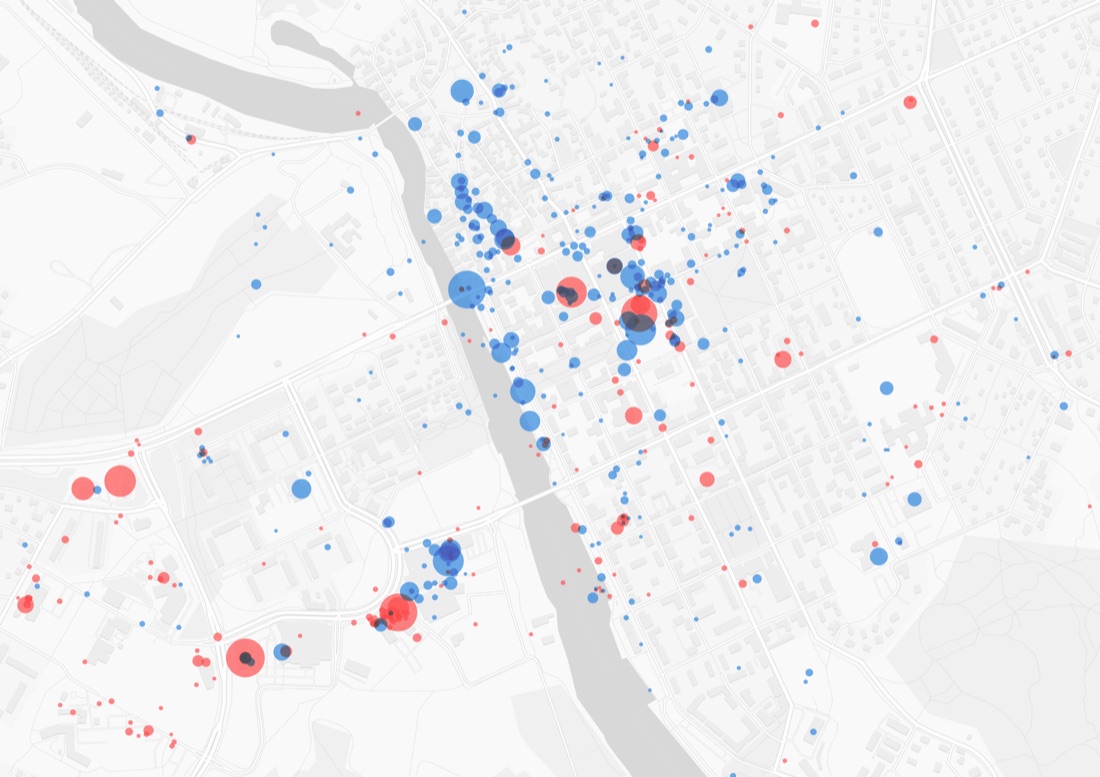
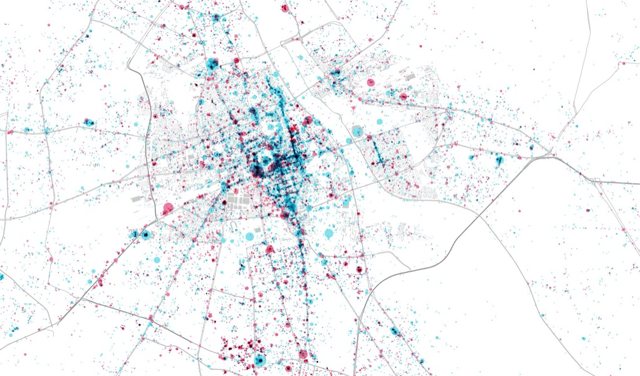
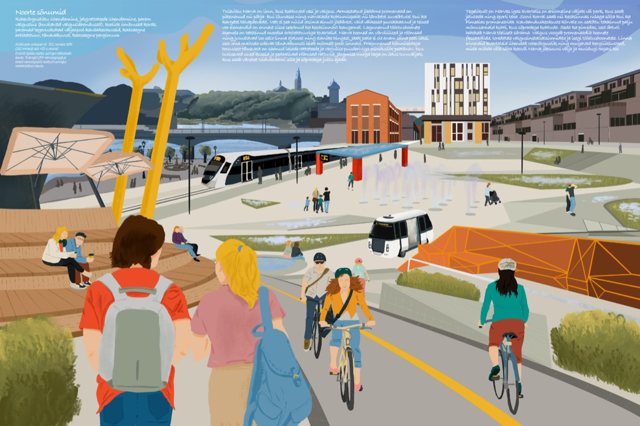
Before redesigning Porvoo’s main square, the team benchmarked it against five other recently renovated Nordic and Baltic squares — using check-in data, not opinion, to work out what actually made those renovations succeed or fail.
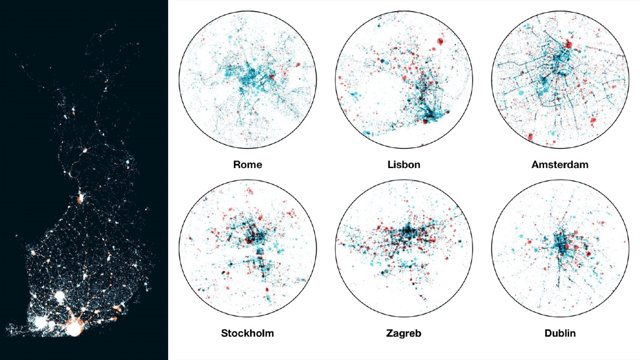
Porvoo wanted to redesign its main square, but good precedent research is hard to do well — most benchmarking relies on site visits and impressions. This study used the same activity-mapping method across six cities to make the comparison consistent and evidence-based.
Built on a methodology first developed and validated across roughly 220 Finnish and Swedish cities and 200 further European examples under the Academy of Finland-funded URMI project, co-authored with Finnish urban-research partner Kaupunkikettu (“Urban Fox”).
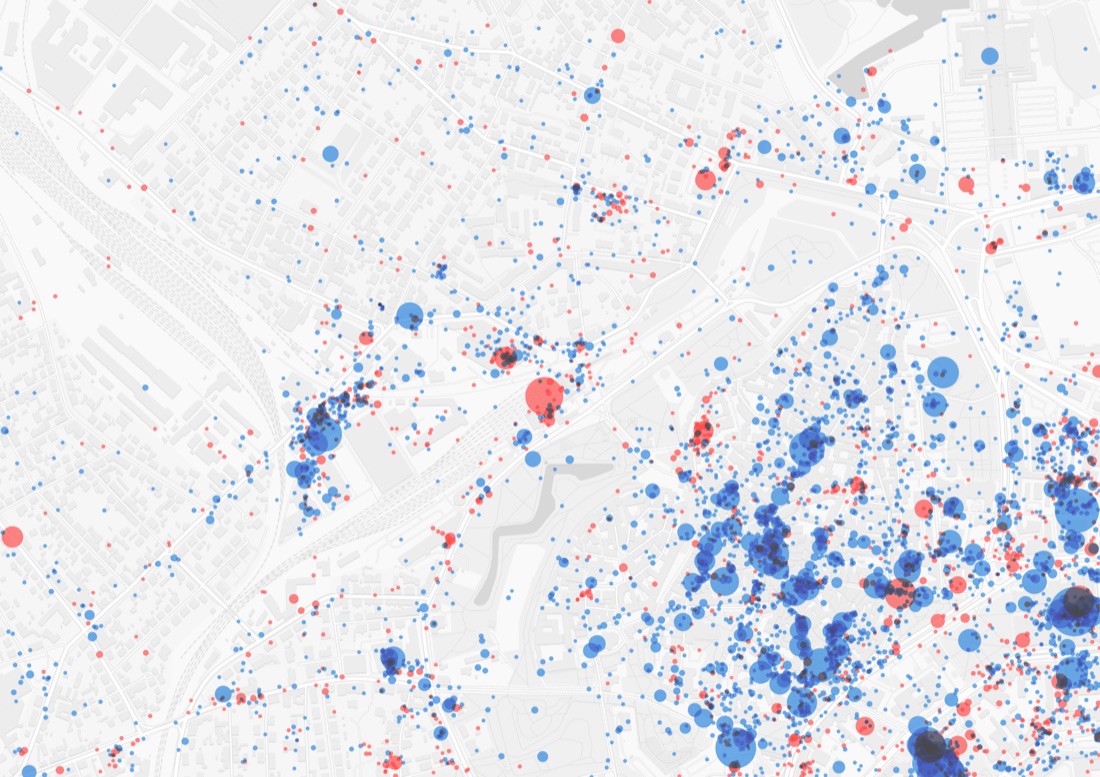
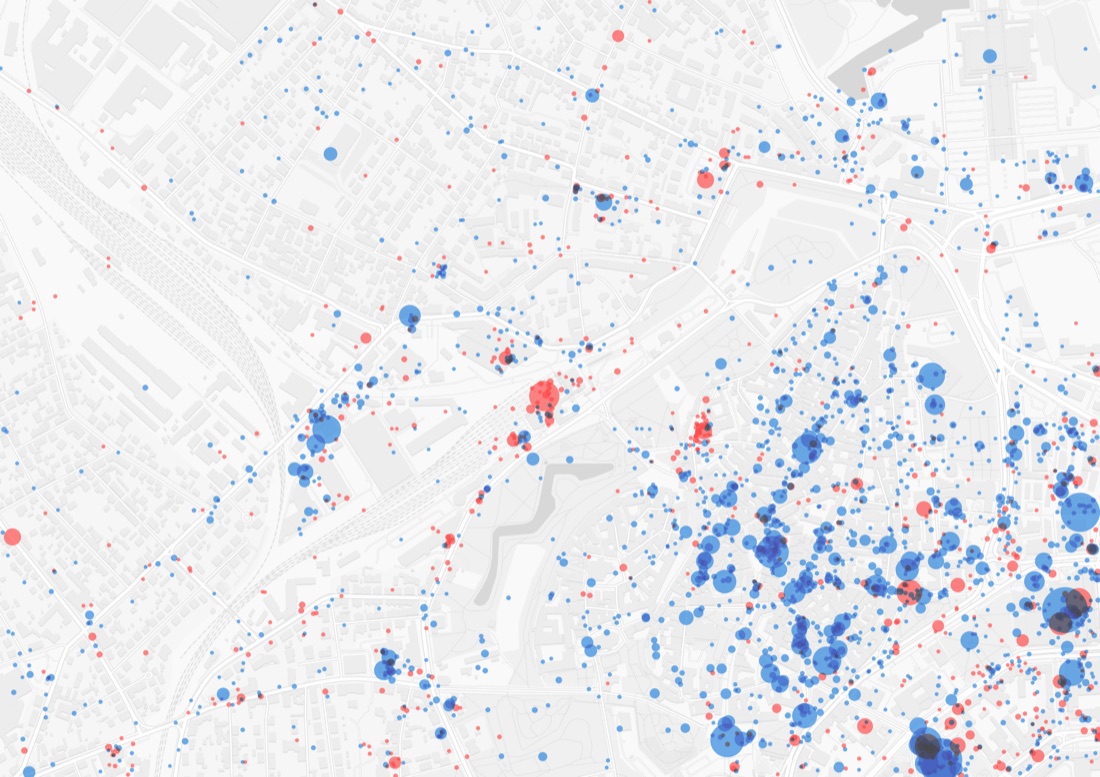
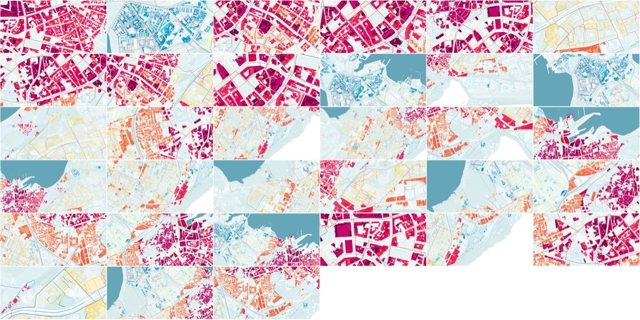
Reclassified Foursquare’s roughly 1,000 fine-grained venue categories into Jan Gehl’s necessary/optional activity framework, mapping and comparing five already-renovated squares — Lappeenranta, Kuopio, Kristiansand, Umeå, and Tallinn’s Baltijaama market — against Porvoo’s current state, including before/after comparisons where renovation data allowed.
Delivered as a 23-page benchmark report in spring 2020.
1 report to download
About the project
ClientALA Architects
PlacePorvoo, Finland — benchmarked against Lappeenranta, Kuopio, Kristiansand, Umeå, and Tallinn
Year2020
LensSpace
TopicsBenchmarking, Public Space, Social Media Data
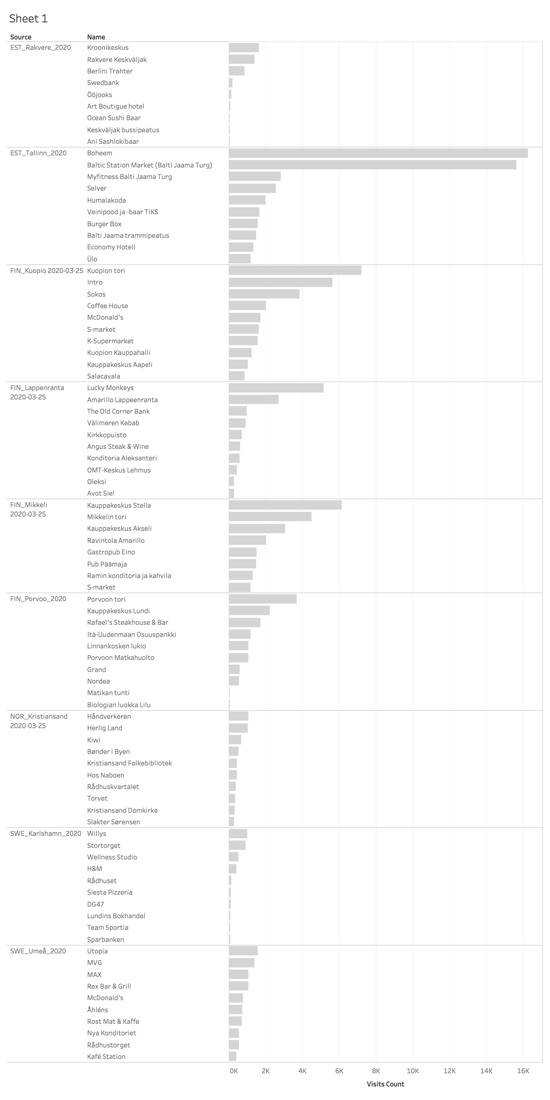
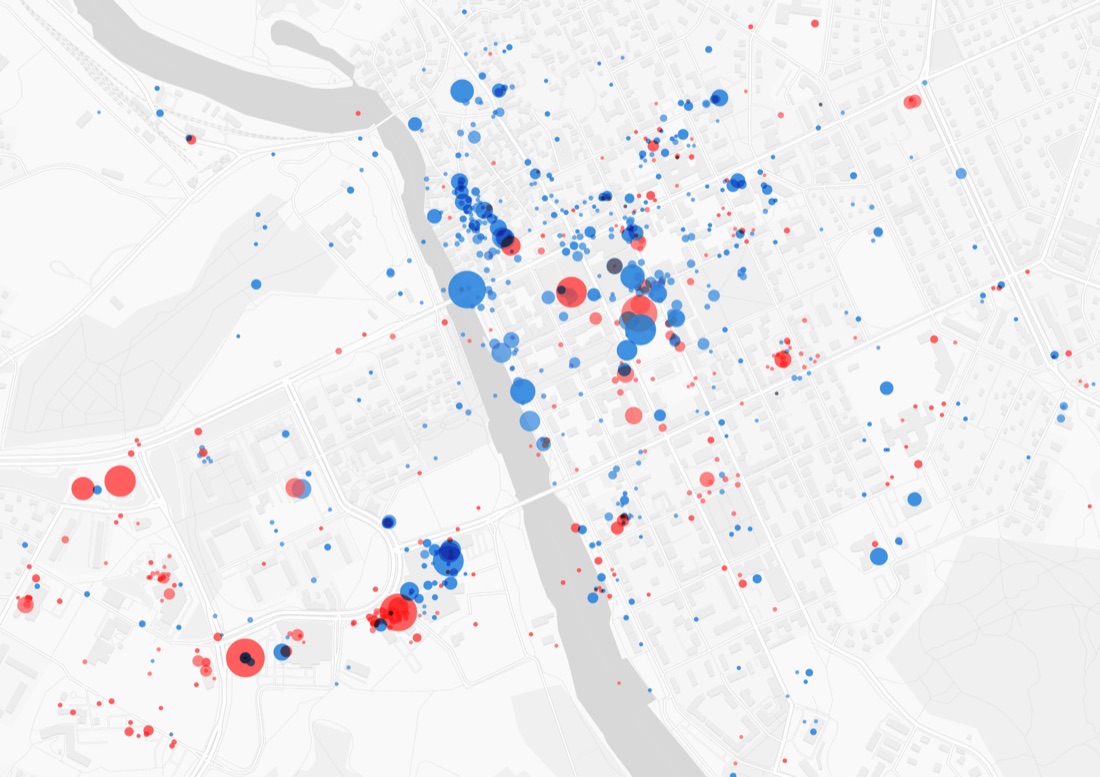
Porvoo’s square is already the single most-visited location in the city by check-ins (3,687), well ahead of the second-place shopping centre — a strong existing anchor before any redesign begins.
Lappeenranta’s pedestrianisation unlocked a highly active public space and won a national city-centre award, but the link between the train station and commercial core remained unresolved years later — traffic closure stayed contested even after visible success.
Kuopio’s €38M renovation produced Finland’s “best city centre 2014,” but the underground car park it funded still needs public subsidy, running at only 15–30% utilisation — a cautionary data point on parking-funded public space renewal.
Tallinn’s Baltijaama market renovation measurably catalysed area-wide change: Foursquare data comparing 2018 to 2020 shows two new mixed-use activity clusters emerged just north of the market — genuine local economic knock-on effect, not just a nicer square.
Across all five cases, the recurring success factors were traffic reduction, a genuine mix of necessary and optional activity, and public-private frontage synergy — not any single design move.
 Porvoo Square Benchmark