← All projects/Space/No. 55
2023 · Space · UNDP Kosovo

Block 1 — Reimagining a Socialist-Era Superblock in Prishtina

Using AI-generated, photorealistic before-and-afters of residents’ own streets to let them choose their block’s future — not approve a masterplan handed down to them.
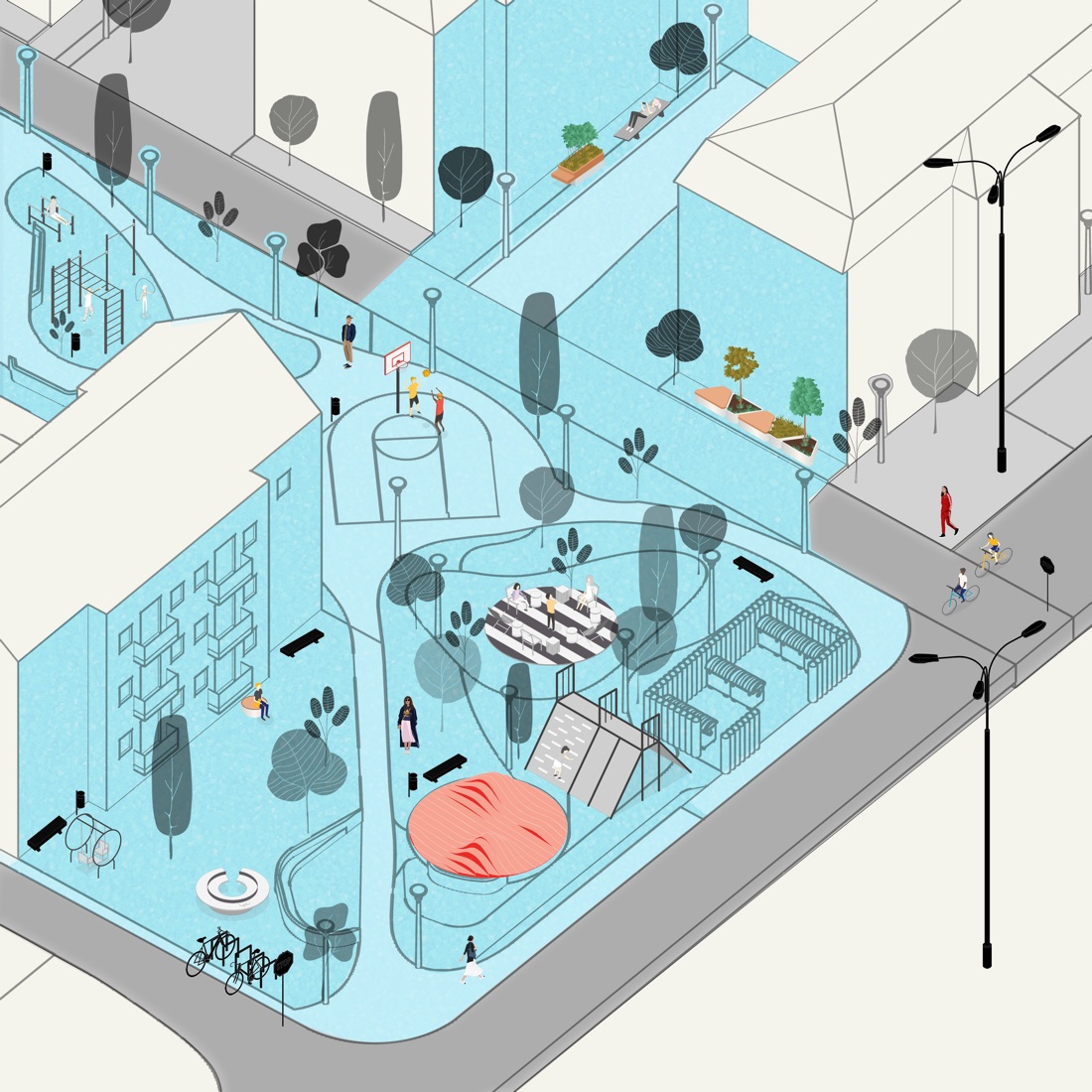
Block 1 — Reimagining a Socialist-Era Superblock in Prishtina

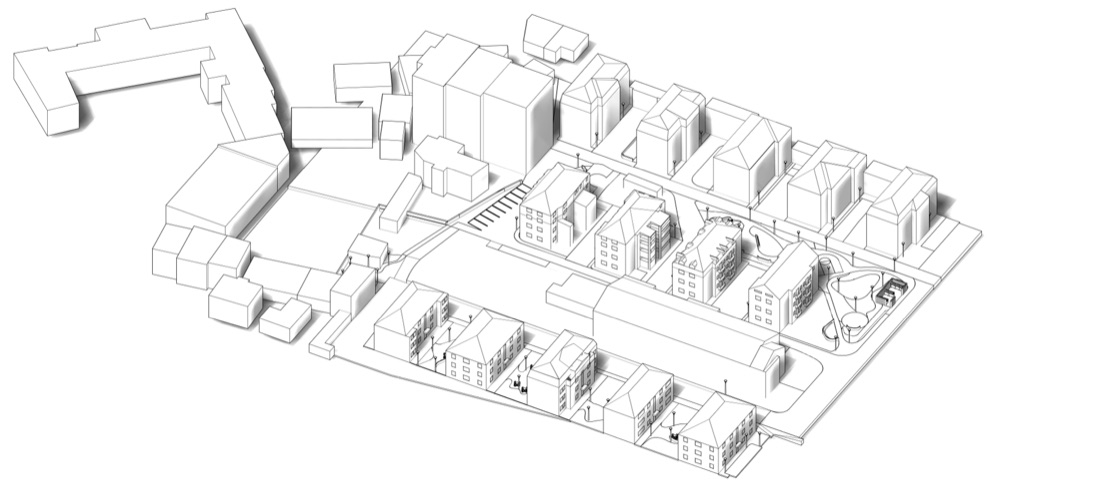
Block 1, a 123-apartment socialist-era residential superblock in Prishtina, needed its public spaces redesigned — but the buildings themselves, and the gardens residents had tended for decades, were to stay untouched. The challenge was doing that redesign with residents, not around them.

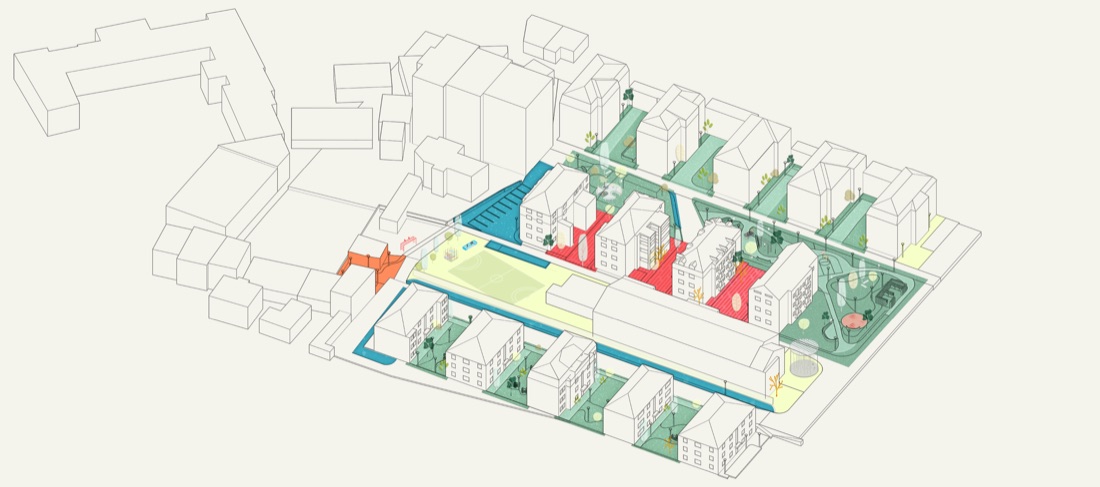
Commissioned by UNDP, scoped narrowly to the block’s public and semi-public spaces — yards, parking, walkways, playgrounds — rather than the housing stock itself, and structured around four stages: Analysis, Co-design, Reflection, and Implementation.

A baseline diagnostic combined community surveys with parking and demographic data; the design phase then used SPIN Unit’s own UrbanistAI generative tool to produce photorealistic, site-specific before-and-after visualisations directly on real photographs of the block — letting residents choose between multiple AI-generated options for each intervention (a new playground, a pedestrian safety island, a community courtyard) rather than reviewing a single fixed proposal.

Delivered as a 27-page report covering the diagnostic, a nine-intervention masterplan, and a full set of isometric and street-level visualisations, alongside a reusable catalogue of modular urban furniture for implementation.
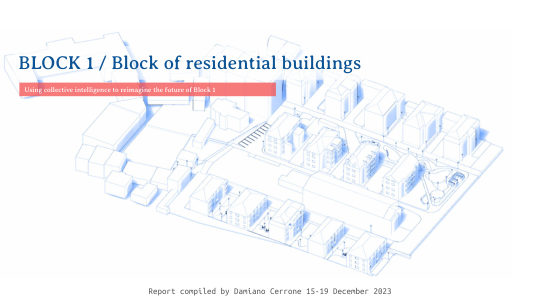
1 report to download
About the project
ClientUNDP Kosovo
PlacePrishtina, Kosovo
Year2023
LensSpace
TopicsCo-Design, Community Engagement, Generative AI, Public Space
What we found
Baseline diagnostic found 1.01 cars per apartment across the block’s 123 units — a concrete number behind the parking conflicts residents experienced daily.
The design deliberately preserved existing resident-tended gardens rather than replacing them, framed explicitly as protecting “living heritage” rather than a purely designer-led landscape intervention.
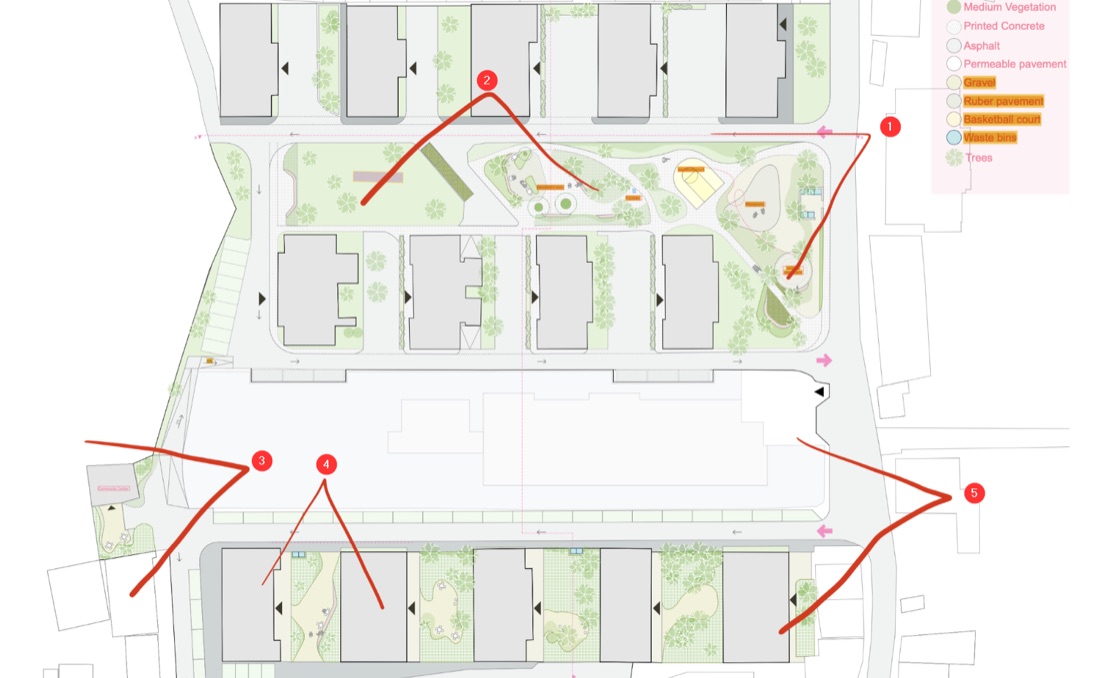
Nine specific interventions were proposed: restructured parking, a new social hub, dedicated play space for ages 11–17, redesigned waste disposal with smart bins, a new connecting walking path, and opened-up courtyard access between blocks.
AI-generated visualisations were used as a genuine co-design tool, not just a presentation device — residents picked from numbered alternatives generated directly on photos of their own street, at roughly eight specific locations across the block.
Some existing conditions were deliberately kept rather than redesigned — the playground location and road structure, for instance — because the diagnostic found they already worked well, a sign the process wasn’t biased toward maximal intervention.
Pictures

More space projects

All 61 →
Space
TELT
2023
SPIN Unit · Helsinki — Tallinn
Project record No. 54
Lens:
Space
Reports:
1
SMARTLAND by TELT — Interactive Storymap
SPIN UnitRead the record →
Space
City of Tallinn
2022
SPIN Unit · Helsinki — Tallinn
Project record No. 52
Lens:
Space
Reports:
1
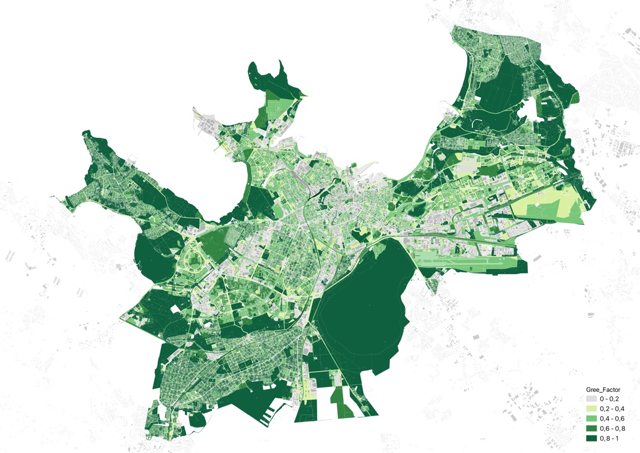
Tallinn Green Factor (Rohefaktor)
SPIN UnitRead the record →
Space
Tallinn University of Technology
2026
SPIN Unit · Helsinki — Tallinn
Project record No. 61
Lens:
Space
Reports:
—
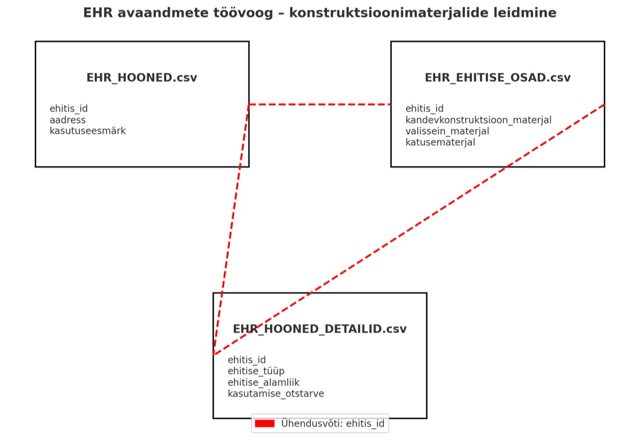
EHR Building Registry Data Pipeline — TalTech
SPIN UnitRead the record →
Space
Forum Virium Helsinki
2022
SPIN Unit · Helsinki — Tallinn
Project record No. 47
Lens:
Space
Reports:
2
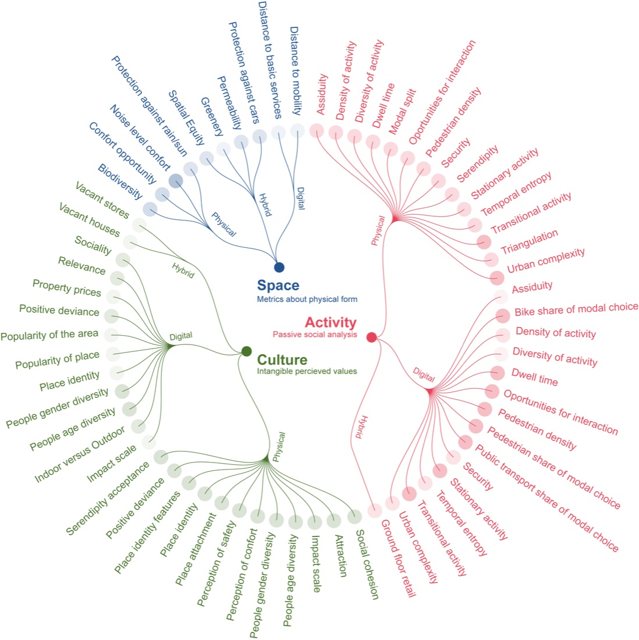
Experimentation Evaluation Toolkit — Ylä-Malmi Pilot
SPIN UnitRead the record →
Space
UNDP Armenia
2020
SPIN Unit · Helsinki — Tallinn
Project record No. 39
Lens:
Space
Reports:
1
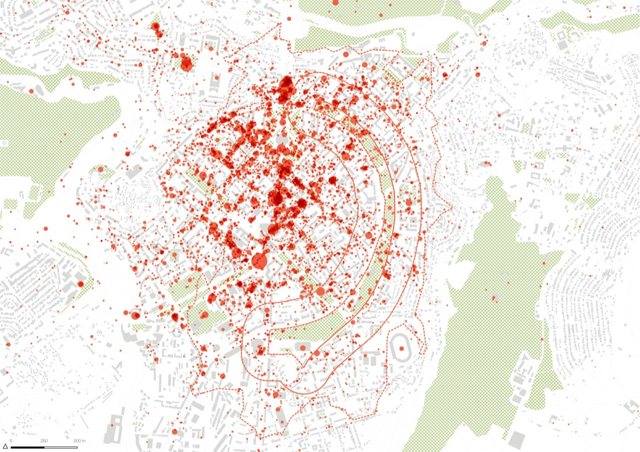
metaMorphology analysis of Yerevan Circular Park
SPIN UnitRead the record →