The Hidden Life of 32 Russian Monotowns
Reading the everyday public life of 32 Russian monotowns through a million citizen-shared photos — because no formal urban data existed for these towns at all.
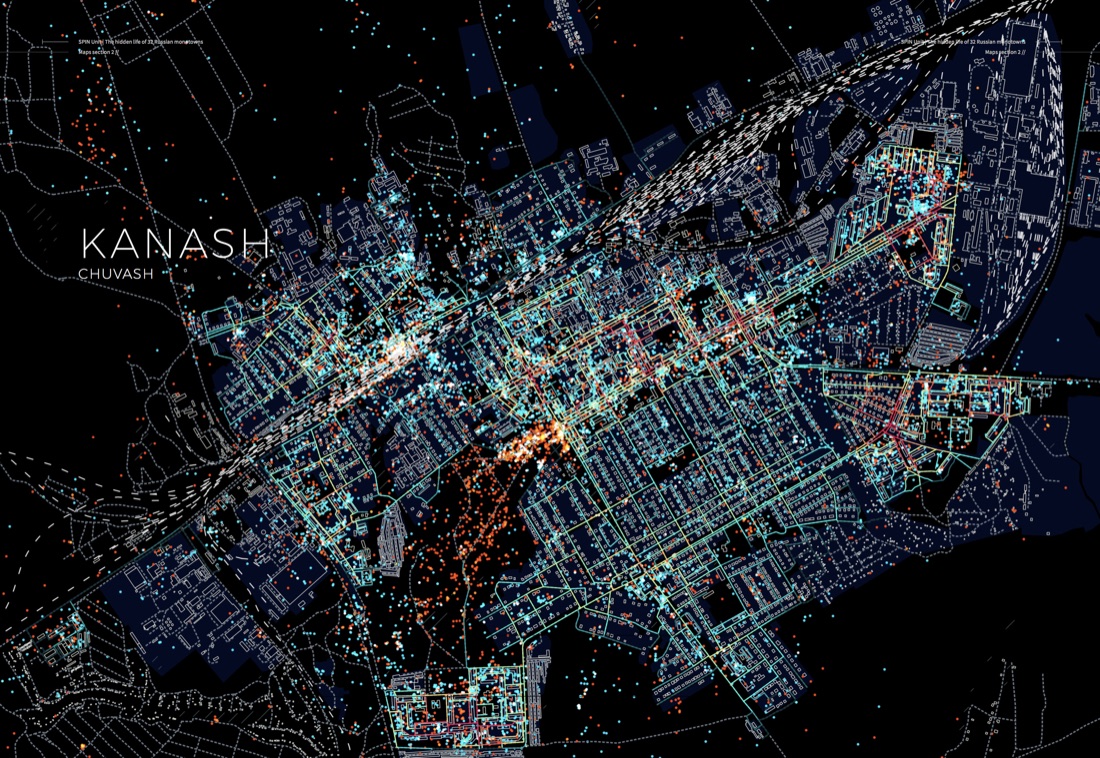
Russia’s monotowns — cities built around a single industry — house roughly a sixth of the national population, but almost none of them have usable planning data: no digitised street networks, no amenity surveys, no record of how public space is actually used. Strelka KB needed to understand these towns’ social life well enough to design interventions that could scale across 300+ of them.
Commissioned by Strelka KB as part of a national design-response programme to monotown decline — a live policy issue in Russia since unrest in single-industry towns (notably Pikalyovo, 2008) put the topic on the national agenda. SPIN Unit led the research, with Prof. Panu Lehtovuori, data scientist Raul Kalvo, and academic collaborators Lev Manovich (Cultural Analytics) and Daniele Quercia, Luca Maria Aiello, and Rossano Schifanella of Nokia Bell Labs (computer vision).
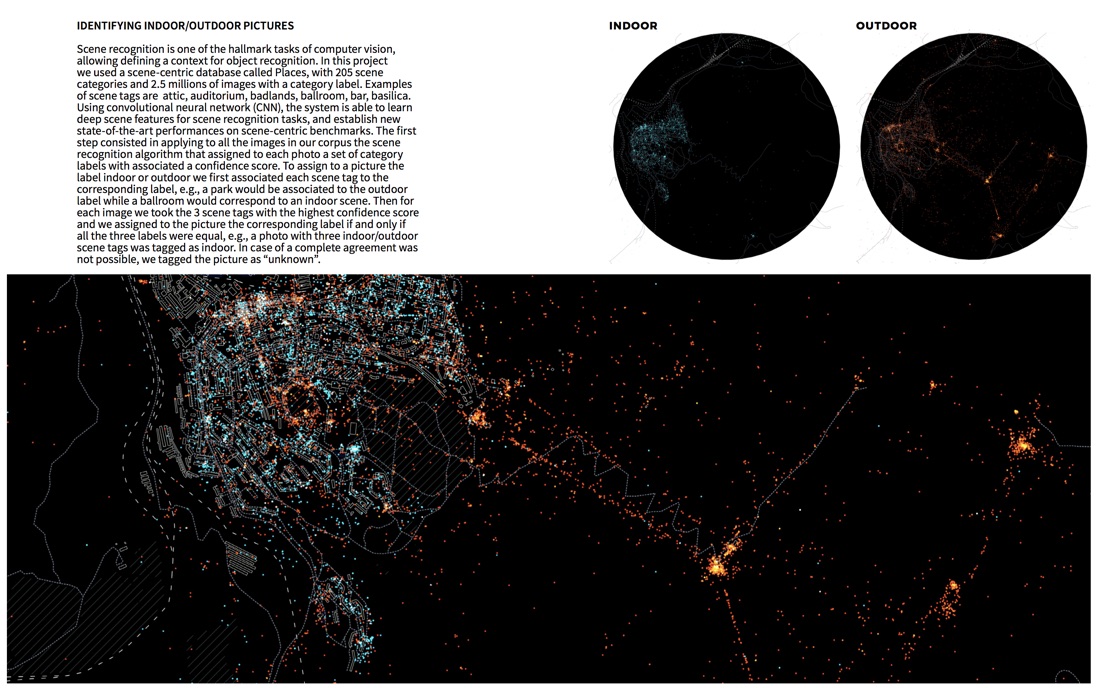
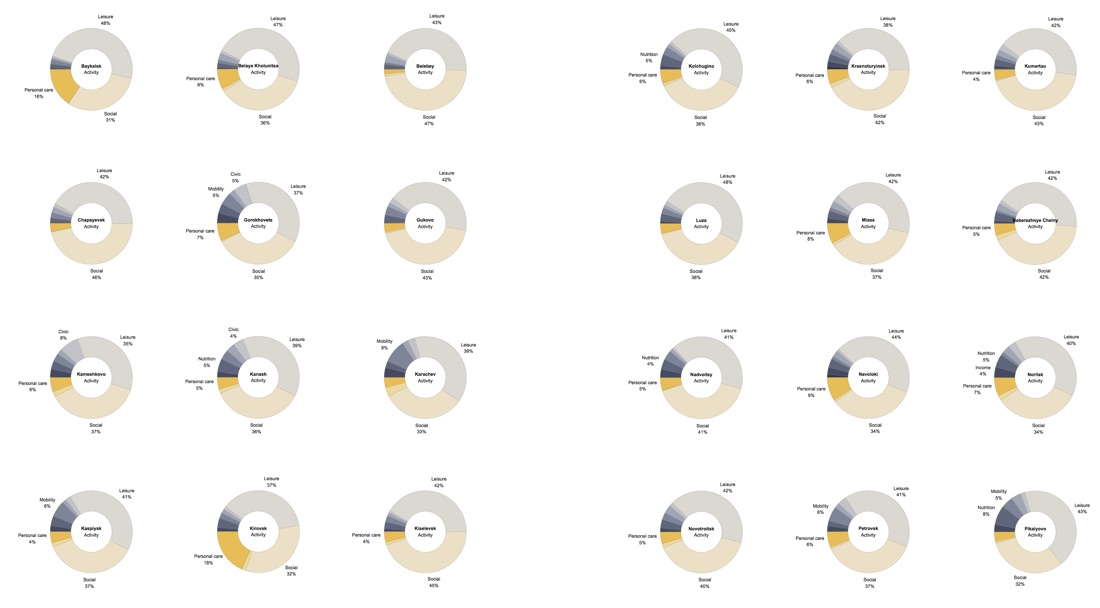
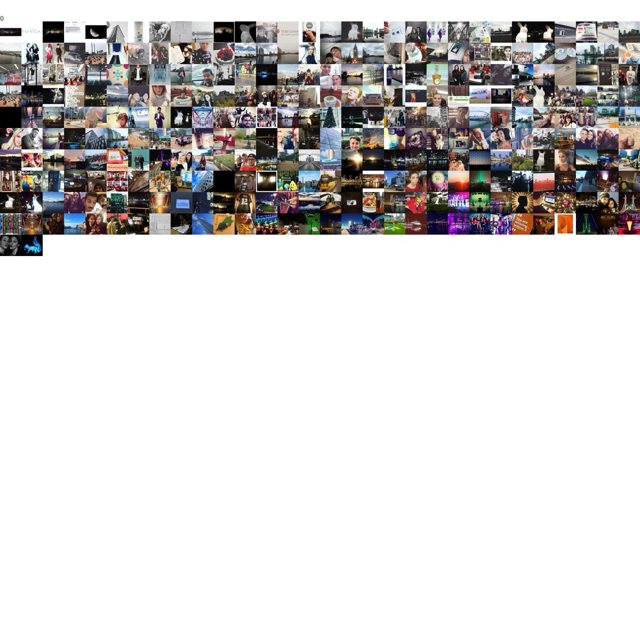
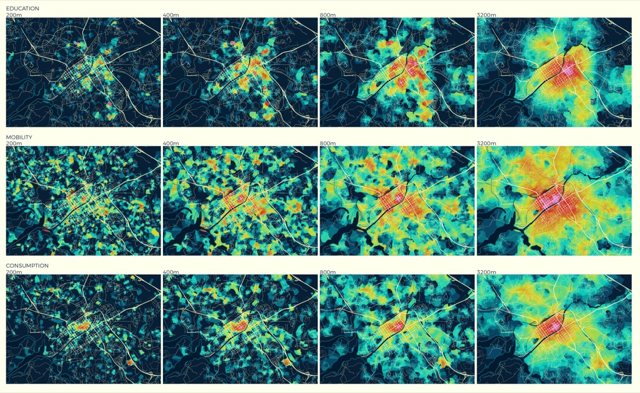
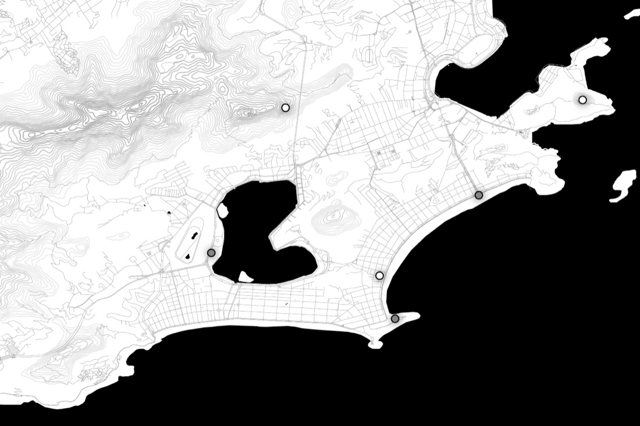
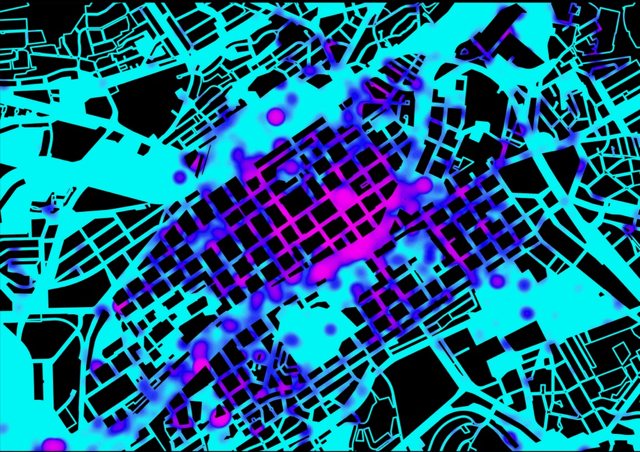
With no existing GIS base data, the team hand-digitised street networks from OpenStreetMap for all 32 towns and ran pedestrian betweenness analysis calibrated from an earlier SPIN Unit study for Strelka KB in Moscow. Roughly a million geolocated VKontakte photos were collected; a sample of 45,000 was manually tagged by eight trained researchers using a custom activity taxonomy (1,126 terms, built from academic literature and hashtag-frequency analysis) and a bespoke tool built for the project, cross-validated against Nokia Bell Labs’ computer-vision scene classification. Three towns received a deeper qualitative pass using Lev Manovich’s Cultural Analytics image-montage technique.
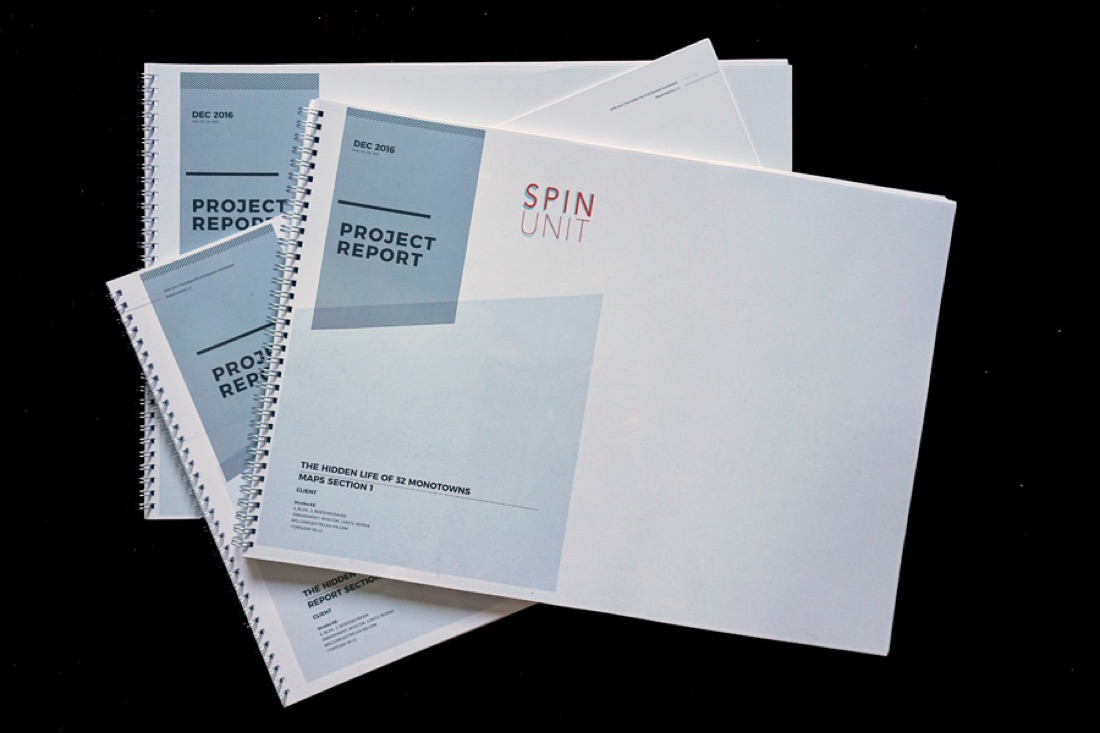
Delivered as a 33-page methodology report plus a 208-page, two-volume atlas of per-city maps and data spreads covering all 32 towns.
 The Hidden Life of 32 Russian Monotowns – report