← All projects/Society/No. 9
2015 · Society · Tallinn Architecture Biennale

TAB-Lab — Tallinn Architecture Biennale 2015

SPIN Unit’s founders curated an entire strand of Estonia’s national architecture biennale — staging the friction between visionary urban research and what’s actually buildable.
TAB-Lab — Tallinn Architecture Biennale 2015

Not every SPIN Unit project is analysis for a client — this one was curatorial. Damiano Cerrone and Helen Pau were asked to curate TAB-Lab, the research-and-development strand of the 2015 Tallinn Architecture Biennale, themed “Isejuhtiv linn / Self-Driven City.”

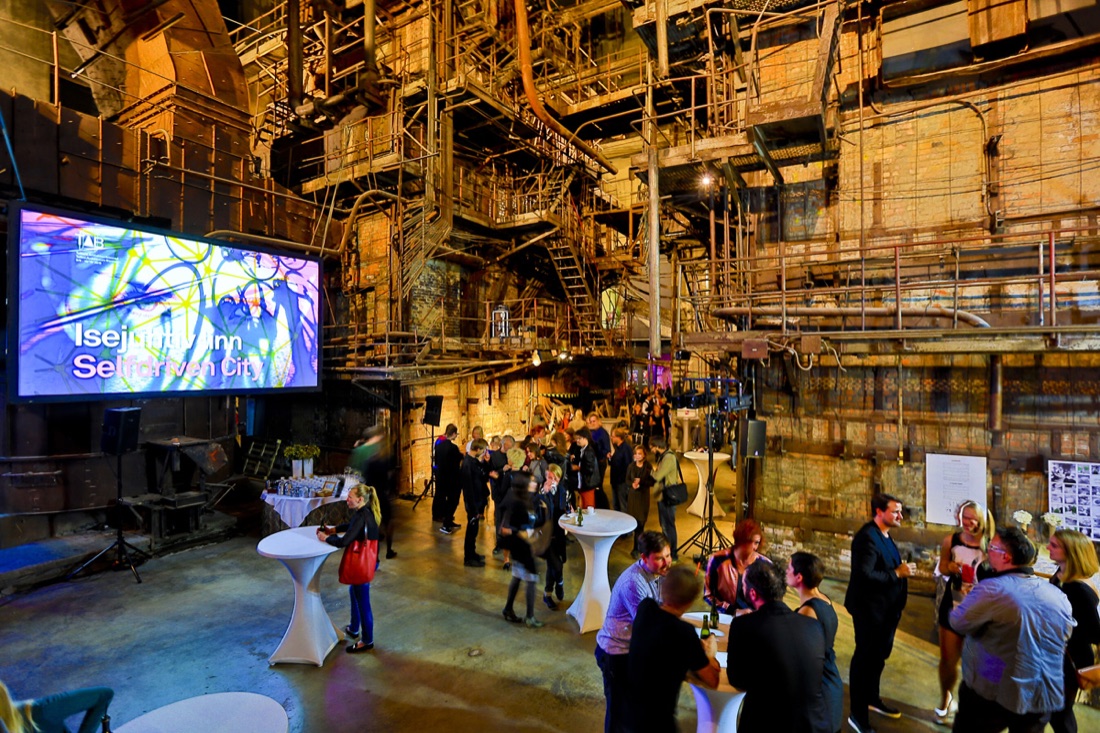
TAB 2015 ran four parallel strands — a vision competition, a main exhibition, a symposium, and TAB-Lab — under head curator Marten Kaevats. TAB-Lab occupied the main hall of Kultuurikatel, a former power plant turned creative hub, for two weeks (9–20 September 2015), alongside a co-located TAB-Club and a basement MakerLab, funded in part by the Cultural Endowment of Estonia, the Nordic Culture Point, and Enterprise Estonia.

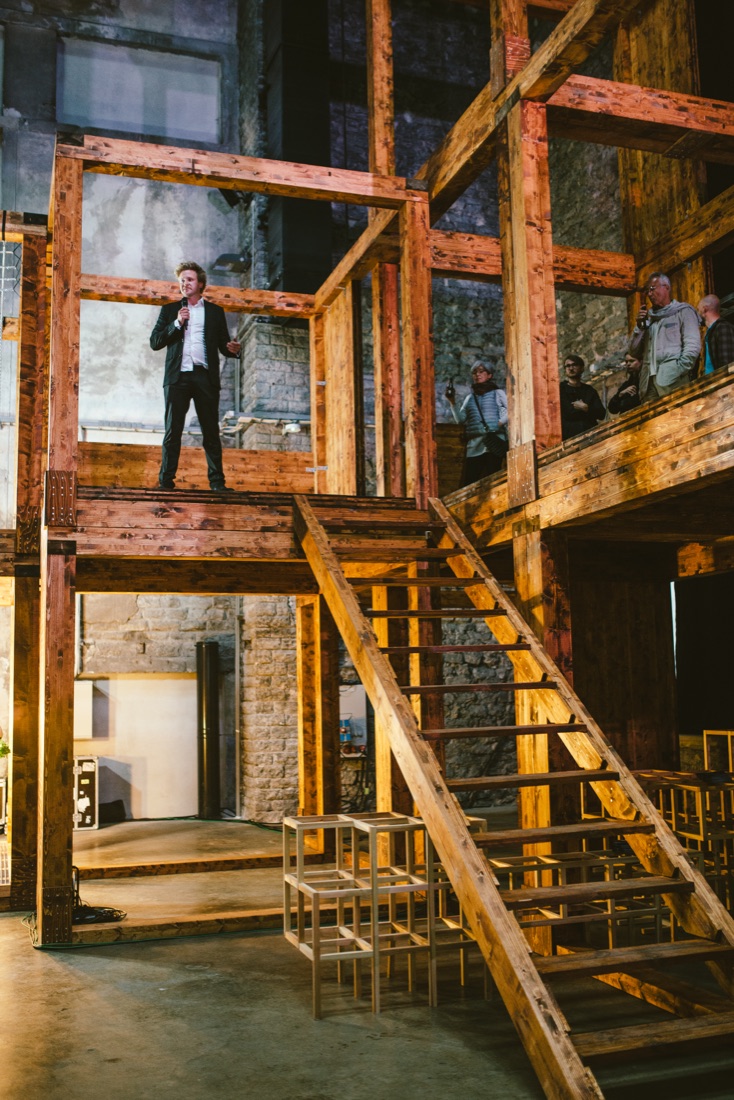
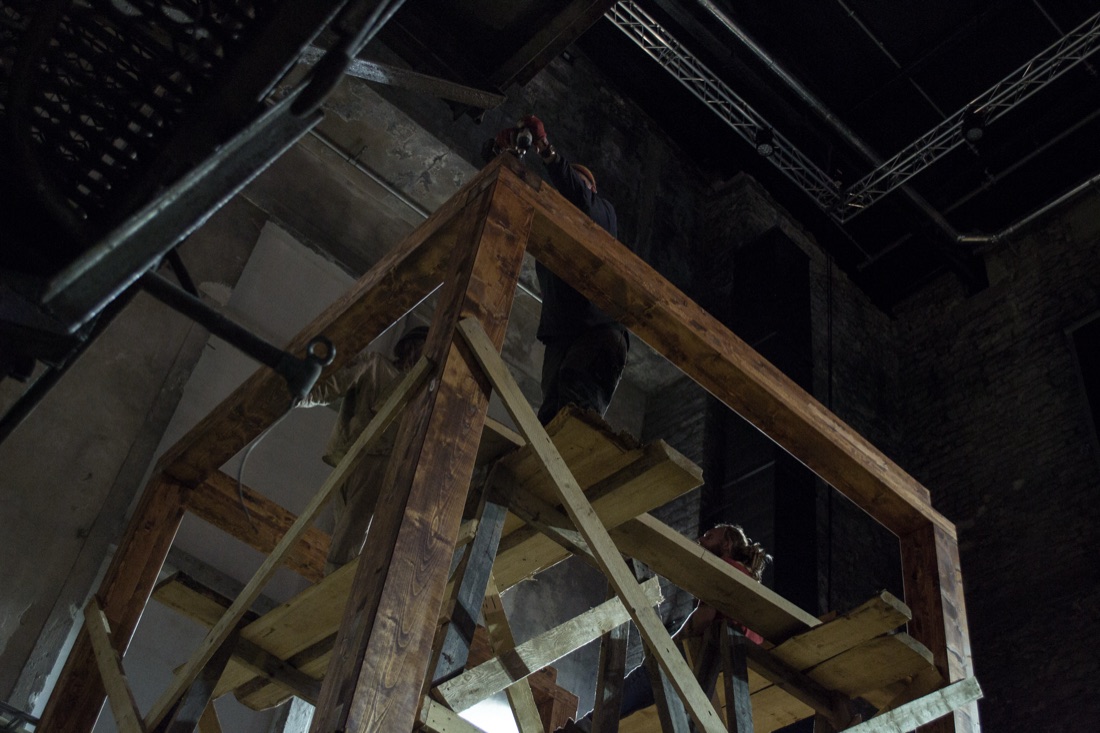
Rather than a conventional exhibition, TAB-Lab paired academic/research visions directly against the material and technological realities of production. Its centrepiece was “Paracity” by Marco Casagrande — a two-storey cross-laminated-timber structure built live inside the hall — alongside contributions from EKA, Lev Manovich, Cityvision, and others. SPIN Unit also used the space to present their own newly completed Turku research as a live example of their data-driven planning approach.

Curated and delivered across the biennale’s full run, including live on-site construction of the Paracity installation over several days, guided tours, and an educational programme run in tandem with the adjoining two-day symposium.
About the project
ClientTallinn Architecture Biennale
PlaceKultuurikatel (Tallinn Creative Hub), Tallinn, Estonia
Year2015
LensSociety
TopicsCuration, Exhibition, Research & Development
What we found
SPIN Unit’s founders were positioned alongside marquee architecture curators (Sille Pihlak/Siim Tuksam for the Main Exhibition, ex-OMA’s Ivan Sergejev for the Symposium) — a notable credibility marker early in the studio’s history.
The curatorial thesis was explicit: “we do not know how the future will be like, but we can definitely imagine it — and to bring these fantasies alive we need to… certain kinds of methods and technologies.”
Real-world friction was deliberately foregrounded, not hidden — the team’s own notes document practical obstacles like fire-safety treatments compromising timber aesthetics and differing wood-construction regulations across countries.
The venue itself embodied the theme: a decommissioned power plant repurposed as a creative hub, cited by the curators as a real precedent for the exhibition’s “self-driven,” post-industrial argument.
Pictures

More society projects

All 61 →
Society
Estonian Academy of Arts
2014
SPIN Unit · Helsinki — Tallinn
Project record No. 7
Lens:
Society
Reports:
2
Crime, Society and Urban Design (CPTED)
SPIN UnitRead the record →
Society
Strelka KB
2016
SPIN Unit · Helsinki — Tallinn
Project record No. 13
Lens:
Society
Reports:
1
Moscow Green & Water Accessibility Analysis
SPIN UnitRead the record →
Society
karres+brands
2017
SPIN Unit · Helsinki — Tallinn
Project record No. 14
Lens:
Society
Reports:
1
Voorbij de Winkelstraat — Schiedam
SPIN UnitRead the record →
Society
Demos Helsinki
2019
SPIN Unit · Helsinki — Tallinn
Project record No. 24
Lens:
Society
Reports:
1
New Futurama
SPIN UnitRead the record →
Society
Municipality of Sipoo
2019
SPIN Unit · Helsinki — Tallinn
Project record No. 28
Lens:
Society
Reports:
—
Heritage of Sipoo — Typomorphology Map
SPIN UnitRead the record →